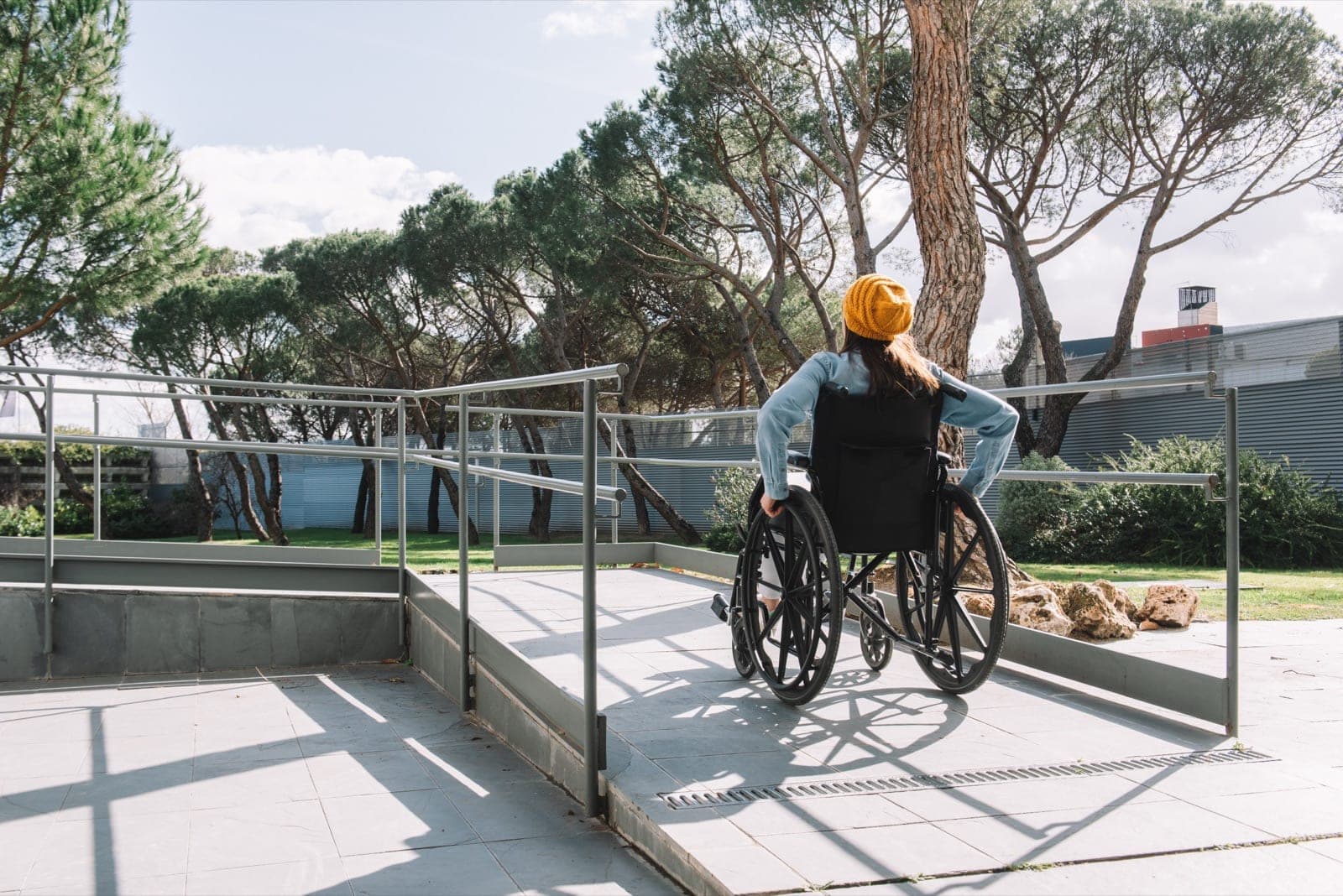

Accessibility is more than a ramp, a lift or braille signage. There is a form of accessibility you cannot see, but service providers meet it every day — at bank counters, clinics, government offices and every service touchpoint: emotional and mental accessibility for people coping with post-traumatic stress disorder.
Following October 7th, PTSD prevalence in Israel rose sharply, and the Ministry of Defence rehabilitation branch currently treats around 31,000 people coping with mental-health injuries and PTSD, with estimates growing further by 2028. The implication: service providers in every sector meet this population as customers more and more often.
Tamar Accessibility delivers a dedicated training for service teams that gives them the tools to recognise the signs, choose accurate and respectful language, and adapt the service environment — without compromising the customer's dignity and without slowing service to the rest of the queue. The session complements the organisation's Service Accessibility training programme under Amendment 34 to the accessibility regulations.
Who the training is for
- Front-line staff in banks, HMOs, clinics and government offices
- Contact centre, chat and digital service teams meeting distressed customers
- Education and training teams working with people coping with mental-health challenges
- Branch managers and accessibility coordinators in large organisations
- Businesses serving a broad public — retail, tourism, events
What the session covers
- Background — what PTSD is and what happens in the nervous system
- Recognising signs in the field: leaving the queue mid-way, difficulty in noisy environments, difficulty with forms, strong reactions to triggers
- Accurate, respectful language — "a person coping with trauma" vs. "a person suffering from PTSD", and the concept of "post-traumatic growth"
- Practical tools for adapting the service environment — remote form filling, adapted waiting, a quiet corner, flexible communication channels
- Practice with scenarios from the organisation's own operating environment
- Legal background — Equal Rights for Persons with Disabilities Law, service accessibility regulations and Amendment 34 (2022)
What sets us apart
- A team combining certified service-accessibility consultants and trauma-domain professionals — not theory alone
- Sector-tailored training — a clinic team is not trained like a bank team
- Tools for immediate application — what you change in the service environment tomorrow morning
- Integrates into the organisation's overall training programme, including attendance records that satisfy the regulation