
Business licensing

Professional opinions from certified built-environment and service accessibility consultants, for obtaining a business license from the local authority.

Any business applying for a license from the local authority — new or renewal — has to show it meets the accessibility requirements. Section 8b of the Business Licensing Law sets which opinion is needed by business size and service type, and without that document the license is not issued.

Tamar Accessibility handles the process end to end. We come to the business, inspect the premises and the service, mark the required adaptations, and produce the opinion in the format the authority accepts — a MATOS opinion, a service opinion, or both, depending on business size.

Where the findings require remediation, we walk the business through it until evidence is filed with the authority. Where an exemption is available — a historic property, a disproportionately expensive adaptation — we prepare and file it alongside the opinion.

Who this service is for

  • New businesses applying for a license for the first time
  • Existing businesses in renewal, or under municipal enforcement
  • Restaurants, cafés and shops at any scale
  • Clinics, private health practices and care providers
  • Event halls, wedding venues and entertainment establishments

What the service covers

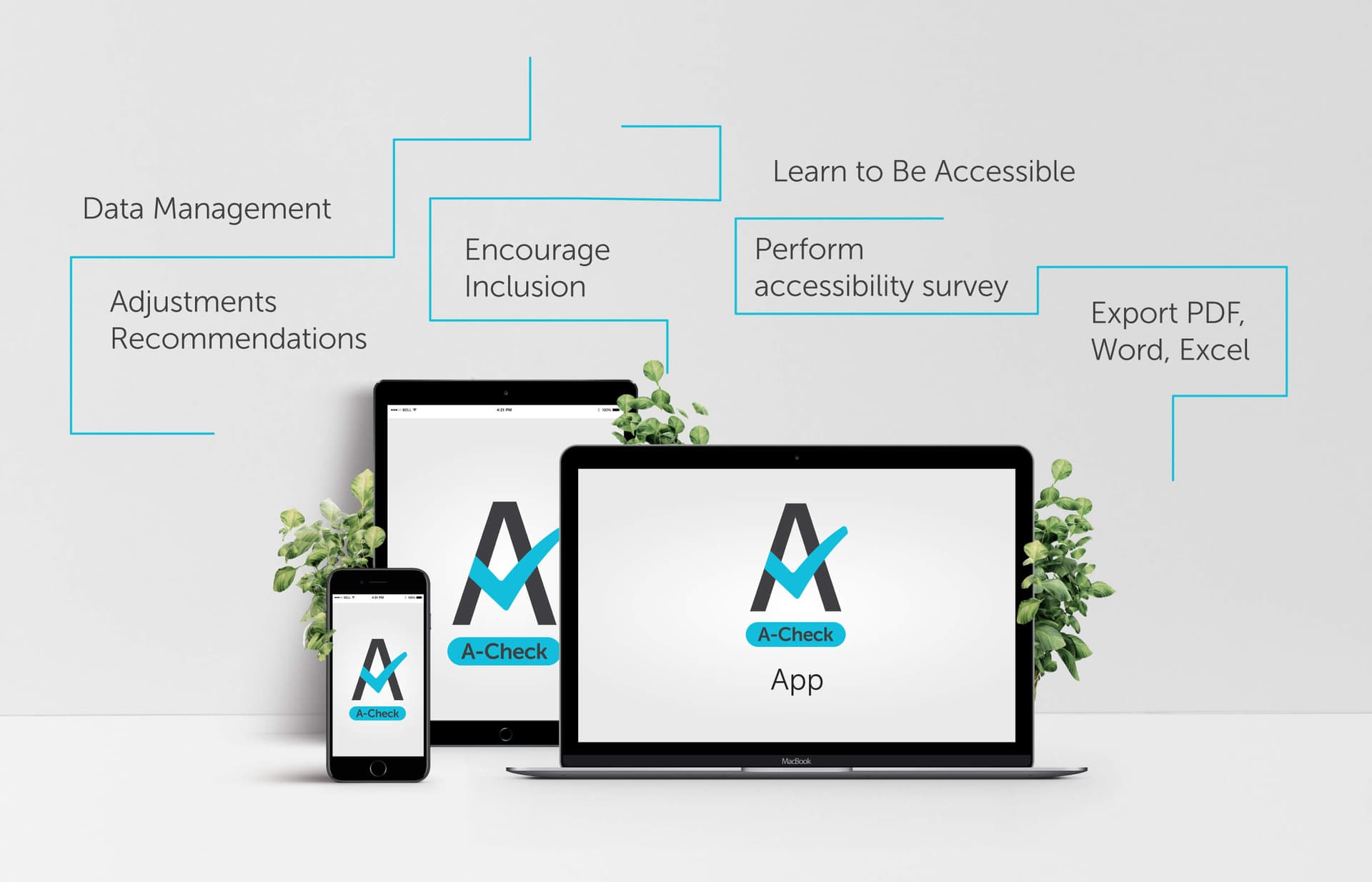
  • On-site visit and rapid accessibility survey with the A-CHECK app
  • MATOS opinion in the official format used by local authorities
  • Combined opinion — MATOS and service — where the business needs both
  • Support for any physical adaptations needed, from spec to sign-off
  • Exemption request (where relevant) with reasoning that holds up under municipal review

How the process runs

  1. Scoping call — business type, size, status with the authority, timeline
  2. On-site visit and structured survey
  3. Opinion issued and filed with the authority, or returned to you with a fix list
  4. Re-check after remediation and final sign-off
Frequently asked questions

Does every business need a specialist accessibility opinion for its licence?
Section 8B of the Business Licensing Law distinguishes by size and licensing item. Small businesses (typically up to 100 sqm as defined by the authority) qualify for a self-declaration track before a lawyer. Larger businesses with broad public exposure require an opinion from a MATOS specialist, a Service specialist, or both.
What is the difference between the self-declaration track and a specialist opinion?
In self-declaration the owner performs the check personally and declares it before a lawyer. A specialist opinion is signed by an authorised accessibility specialist who audits per the existing-building MATOS and Service regulations. The authority retains audit and enforcement rights, so professional support is valuable even in the declaration track.
When is a joint MATOS-plus-Service opinion required?
Above a certain size — larger restaurants, clinics, event halls, large-format stores, public institutions — the authority requires two opinions: a MATOS one for the physical premises and a Service one for the service journey. We deliver both in a single process.
Can a business obtain an exemption from accessibility adaptations?
An exemption can be requested on grounds of engineering infeasibility, disproportionate economic burden, or for heritage properties. The application is filed with the Equal Rights Commission with specialist reasoning and supporting documents. We prepare and file it alongside the opinion.
How long does the process take from first contact to issued opinion?
A business needing no corrections receives a positive opinion within days of the survey. A business requiring physical adaptations depends on contractor scheduling; we stay engaged through re-inspection and final signature.