Accessibility requirements for new construction are decided at the design stage. Fixing them later costs more and can delay occupancy approval. A MATOS accessibility consultant who joins the project early makes sure the submission already meets the building accessibility regulations and the relevant parts of IS 1918.
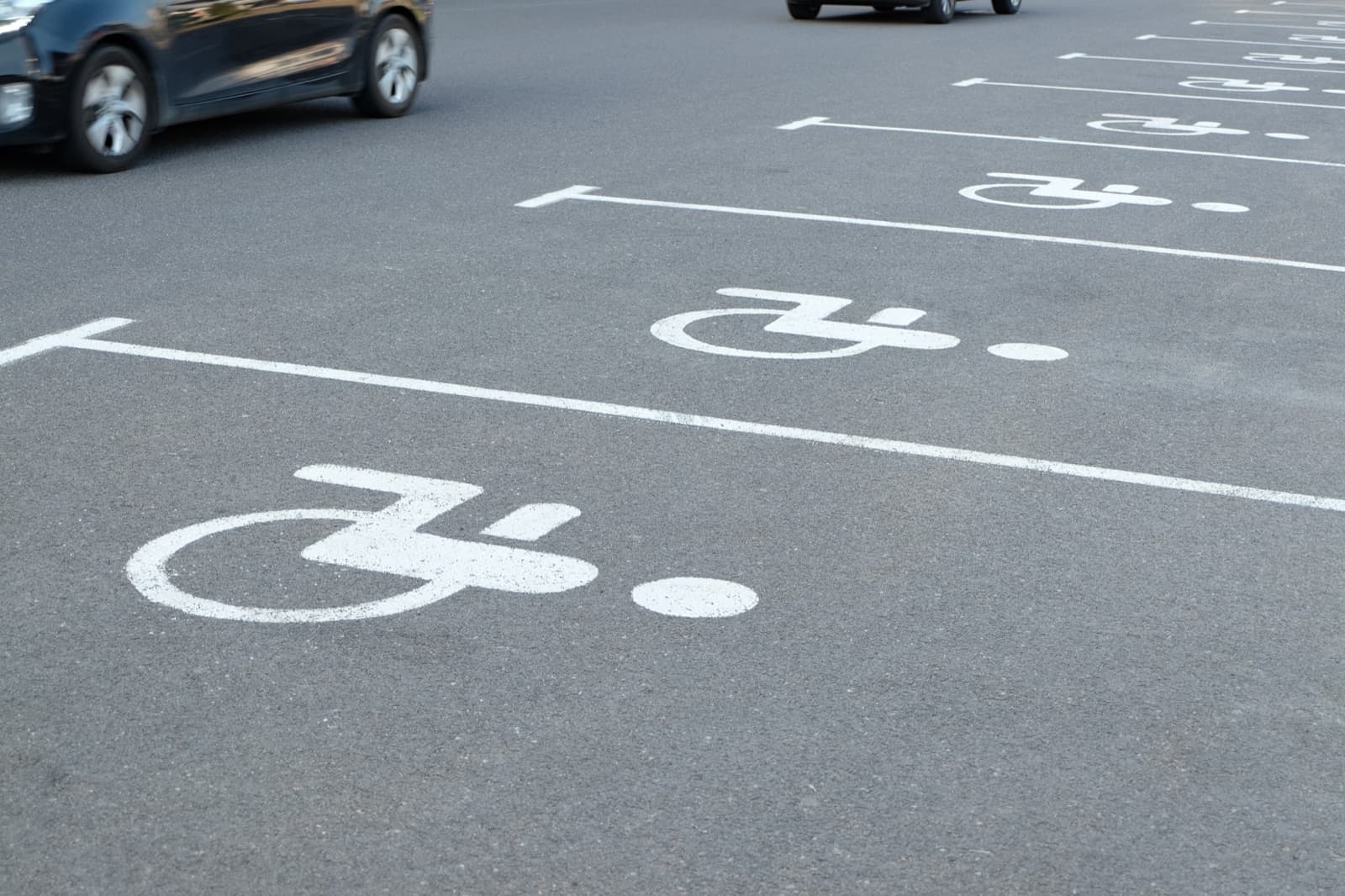
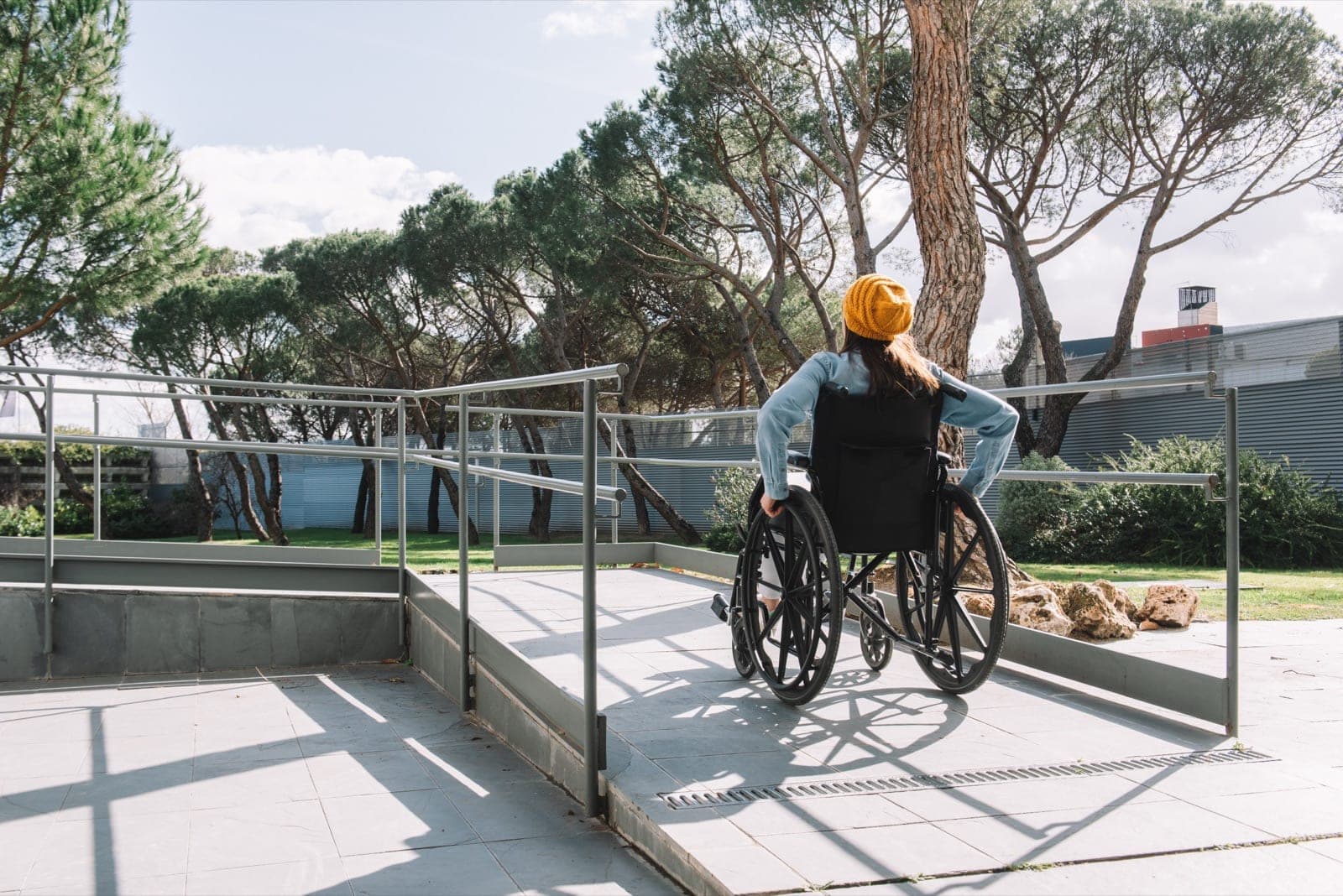
At Tamar Accessibility we join the design team from the first drawing. We review architectural, MEP and detail plans — approach routes, accessible parking, lifts, restrooms, signage, alerting and egress — and flag gaps against the regulation before the permit is filed. The permit comes back clean, not with corrections.
During execution we work alongside the contractor and supervisor, run on-site inspections, and approve the as-built work up to our signed opinion for Form 4 occupancy approval. We have been doing this for around 22 years, with developers, architects and local authorities across Israel.
Who this service is for
- Developers and contractors on public, commercial or residential projects
- Architecture firms preparing building permit submissions
- Engineers and project managers responsible for occupancy approval
- Public bodies and local authorities running their own projects
- Development and asset-management companies overseeing multi-stage builds
What the engagement covers
- Plan review at design stage against IS 1918 and the building accessibility regulations
- Accessibility document for the building permit submission, signed by a MATOS consultant
- Ongoing contractor support during execution — site visits, field questions, gap tracking
- Signed MATOS opinion for Form 4 and occupancy approval
- Coordination with a service-accessibility consultant where the project requires it
Why Tamar Accessibility
- Senior MATOS consultants who work routinely with planning and building committees nationwide
- Around 22 years on complex projects — residential towers, hospitals, public buildings
- Direct conversation with the architect and engineer, in design language, not just regulatory language
- One point of contact from permit through Form 4